DLC Review · Purchased January 16, 2024 · $32.92 CAD via PSN
Dead Island 2 Expansion Pass. Photo: PlayStation Store
The Setup
The expansion pass covers Dead Island 2’s story-focused post-launch DLC, HAUS and SoLA, each a self-contained side story with new areas rather than extensions of the main campaign itself.
The Review
Both expansions deliver more of what the base game (reviewed separately in this series) does well: weighty, gory melee combat and a strong sense of place, this time in more contained, bespoke environments than the open-world districts of the main game. HAUS in particular leans into a stranger, more surreal art-house setting than the base game ever attempts, which was a genuinely interesting swing even if the actual mission content within it was fairly short. Community and critical reception on both expansions has landed in similar territory: fine, enjoyable extra content, but nothing either expansion does feels essential to the core Dead Island 2 experience.
What I Liked
Distinct, well-realized bonus environments
Consistent combat quality with the base game
HAUS specifically takes an interesting stylistic swing
What I Didn’t
Neither expansion feels essential
Each runs shorter than the price might suggest on its own outside the bundle
The Verdict
Rating: 3/5
Only makes sense if you are already committed to playing through both expansions specifically. On their own, this is a modest value add rather than a must-buy, and it makes far more financial sense bundled into the Deluxe Edition than purchased separately after the fact.
Game Review · Purchased January 16, 2024 · $70.50 CAD via PSN
Dead Island 2. Photo: PlayStation Store
The Setup
Dead Island 2’s Deluxe Edition bundles the base game with its full expansion pass and a handful of cosmetic extras, essentially pre-purchasing both the story expansions I reviewed separately elsewhere in this series and the core game in a single transaction.
The Review
The base game earned its positive reception honestly: gory, physical melee combat with genuine weight behind every swing, and a strong, distinct sense of place across a zombie-infested, sun-bleached version of Los Angeles that manages to feel different from the series’ earlier tropical island settings despite the shared DNA. Character progression through the skill card system gave real room to build a personal combat style, whether that meant leaning into elemental weapon effects, crowd control, or straightforward melee damage.
Buying the Deluxe bundle upfront, rather than the base game alone with the intention of grabbing the expansion pass later, turned out to be the financially smarter move: bundled together, the combined price undercuts what buying both pieces separately at full price down the line would have cost, a fairly rare case of a “deluxe” tier actually representing straightforward savings rather than just cosmetic upselling.
The expansions themselves (covered in more depth in their own post in this series) landed as solid, if not essential, extra content, which does put a small dent in the overall value proposition of the bundle, but the core game alone was strong enough to make this purchase worthwhile even setting the expansions aside entirely.
What I Liked
Genuinely satisfying, weighty melee combat
Distinct, well-realized setting
Bundled pricing meaningfully undercuts buying the pieces separately later
Flexible skill card system supports different playstyles
What I Didn’t
Included expansions are decent rather than essential, slightly softening the bundle’s overall value
Open-world structure occasionally repeats itself across the map’s different districts
The Verdict
Rating: 4/5
Buying the Deluxe bundle upfront was the smarter financial call versus buying the base game and expansion pass separately later at full price, and the core game’s combat and setting hold up well enough on their own to justify the purchase regardless.
Hardware Review · Purchased January 12, 2024 · $375.19 CAD via Amazon
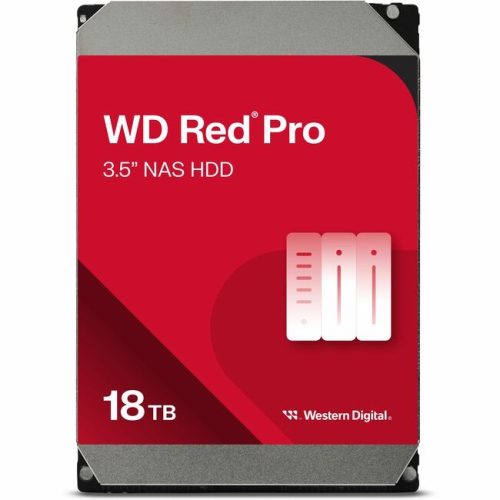
The WD Red Pro 18TB. Photo via Best Buy Canada.
There is no cool way to open a post about a hard drive, so I am not going to try. This is the least exciting purchase in my entire 2024 spreadsheet, and it might also be the most quietly important one.
The Background
By the start of 2024, my storage situation had become a genuine problem. Between a PS5 library that keeps creeping toward the 100GB-per-title mark, a PC full of capture footage for content work, and years of accumulated screenshots, saves, and half-finished projects, I had run out of places to put things. I was doing the thing everyone does before they finally buy more storage: uninstalling one game to install another, then reinstalling the first one a week later, over and over, wasting hours on downloads I had already paid the bandwidth cost for once.
The fix was a Western Digital 18TB internal drive, picked up from Amazon in mid-January and dropped into an external enclosure I already had on hand. I did not go for anything exotic here. WD’s higher-capacity drives (the Red Pro NAS line and the Gold enterprise line both top out in this range) are built for exactly this kind of “just needs to work for years” duty, running at 7200 RPM with conventional (CMR, not the cheaper shingled SMR) recording, which matters if you care about consistent write speeds rather than just raw capacity.
Living With It
Eighteen terabytes sounds abstract until you actually fill part of it, and then it very quickly stops feeling abstract. I moved my entire back catalogue of finished games onto it, archived a full year of video project files, and still have the majority of the drive free. For the first time in years, I am not making triage decisions about what gets to stay installed.
Performance-wise, there is genuinely nothing to report, which is the highest compliment I can pay a hard drive. No clicking, no dropped connections, no thermal throttling once it warmed up in the enclosure. It just sits there, spinning, doing the one job I bought it to do. I do keep it plugged into a powered enclosure rather than running off bus power, which I would recommend to anyone considering a drive this size: capacity like this pulls more consistently than a laptop USB port wants to provide over the long haul.
The one thing worth knowing going in is that drives at this capacity are loud in the way spinning platters are loud, a low, steady hum plus the occasional seek click, especially compared to any SSD you might be used to. If your setup lives somewhere quiet, like a bedroom office, that is worth factoring in before you buy the same thing.
What I Liked
Effectively solved my storage problem for the foreseeable future
CMR recording means consistent write speeds, no slowdowns on large transfers
Reliable, boring, does exactly what it says
Strong cost-per-terabyte value compared to smaller drives or premium SSD storage at this capacity
What I Didn’t
Audibly louder than SSD-based storage, noticeable in a quiet room
Needs a proper powered enclosure to perform reliably at this size, which is an extra cost if you do not already own one
Eighteen terabytes is enough that you will eventually need a backup strategy for it too, which is its own project
The Value Verdict
Rating: 4/5
This is not a purchase that generates excitement, but it is one of the better dollar-for-dollar decisions in my entire 2024 spending. Cost per terabyte on WD’s larger drives consistently beats smaller capacities and beats SSD storage by a wide margin, and a year-plus in, mine has not given me a single reason to think about it. If your library has outgrown your storage the way mine had, this is exactly the unglamorous fix to make.
Game Review · Purchased January 1, 2024 · $35.94 CAD via PSN
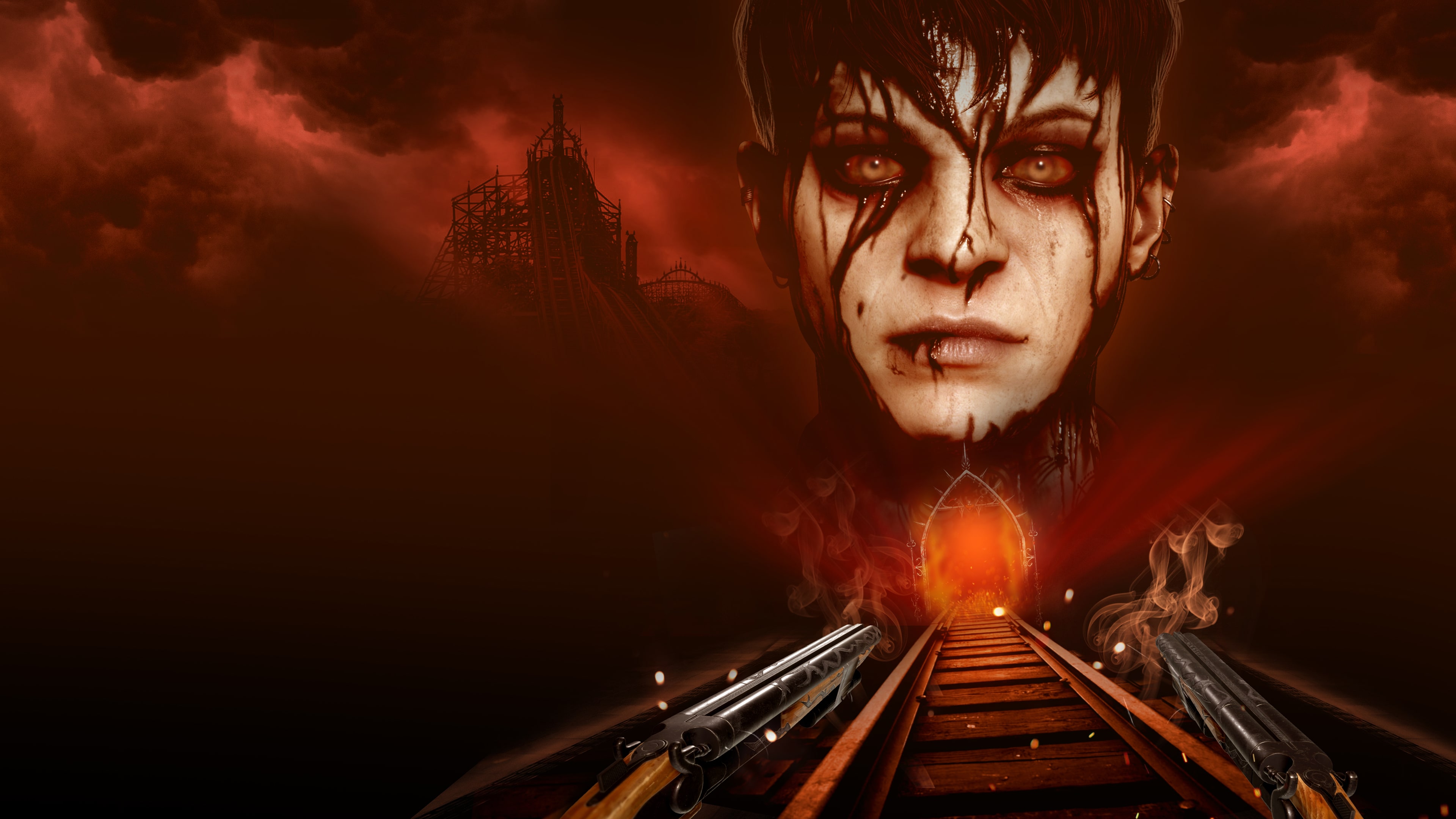
The Dark Pictures: Switchback VR. Photo: PlayStation Store
The Setup
Switchback VR is Supermassive Games’ on-rails horror shooter spin-off from their Dark Pictures Anthology, pulling characters, monsters, and settings from the existing narrative games into a faster, more arcade-focused format built specifically for VR.
The Review
This is not trying to be a deep narrative experience the way the mainline Dark Pictures games are, and it is better for embracing that instead of fighting it. The on-rails structure keeps the pacing tight, jump scares land with real physical presence in VR in a way they simply cannot on a flat screen, and the callbacks to existing Dark Pictures lore and characters give longtime fans of the anthology a genuine reason to care about scenes that would otherwise just be shooting galleries with a horror coat of paint.
For anyone who has played Man of Medan, House of Ashes, or the other anthology entries, spotting familiar faces and locations adds a layer of context that elevates what is, mechanically, a fairly simple format.
What I Liked
Genuinely effective horror atmosphere and jump scares in VR
Tight, arcade-style pacing
Meaningful fan service for existing Dark Pictures players
Solid replay value chasing different scoring and branching moments
What I Didn’t
Shallow compared to the mainline narrative games in the same series
On-rails structure limits player agency by design, which will not appeal to everyone
The Verdict
Rating: 3/5
Reasonable for what it sets out to be: a shorter, arcade-style horror experience rather than a full narrative adventure. Existing Dark Pictures fans will get the most value out of the callbacks and cameos here.
Game Review · Purchased January 1, 2024 · $22.50 CAD via PSN
A Fisherman’s Tale 2. Photo: PlayStation Store
The Setup
A Fisherman’s Tale 2 continues the recursive, mirror-world puzzle concept the original built its whole identity around: you play as a puppet, controlling a smaller puppet version of yourself, inside worlds that fold in on their own scale in ways that would be genuinely disorienting outside of VR and feel like magic within it.
The Review
What made the first game work was never raw production values, it was the cleverness of individual puzzle moments, the specific instant where a scale trick clicks into place and you realize the solution was staring at you the whole time from a different size. The sequel leans into that same design philosophy rather than trying to reinvent it, delivering a tight sequence of puzzle rooms that build on each other without ever padding themselves out with filler content.
Playing this on PSVR2 specifically benefits from the headset’s improved tracking precision, since a lot of the puzzle interactions rely on fiddly, small-scale manipulation that a shakier tracking system would make frustrating rather than satisfying.
What I Liked
Clever, well-paced puzzle design
Short enough to never overstay its welcome
Strong use of VR’s unique perspective tricks
A natural next step for anyone who liked the original
What I Didn’t
Short runtime means it is a light purchase for anyone wanting a long session
Puzzle-VR is a narrow enough niche that non-fans of the genre should not expect it to convert them
The Verdict
Rating: 4/5
For the genre and the price, this is easy to recommend. It is not a long game, but puzzle-VR titles like this tend to deliver strong “aha” moments per dollar spent, and this one delivers plenty of them.
Game Review · Purchased January 1, 2024 · $31.34 CAD via PSN
Pistol Whip. Photo: PlayStation Store
The Setup
Pistol Whip plays like a music video you step inside of: dodge, shoot, and move to the beat across a constantly expanding library of scenes and tracks, blending rhythm-game timing with on-rails shooting in a combination that sounds simple on paper and feels genuinely exhilarating in the headset.
The Review
By the time I picked this up on PSVR2 in January 2024, the game had years of live support behind it and a track library big enough that finding a scene and song combination that clicks with your taste is basically guaranteed. The PSVR2 version specifically benefits from the headset’s improved haptics and tracking, both of which matter a lot in a game where the entire appeal rests on precise, physical timing feeling satisfying in your hands.
This has been consistently rated among the best VR titles available on any platform, and playing it confirms exactly why: it is one of the few VR experiences that genuinely gets people who are skeptical of VR to understand the appeal in a single session.
What I Liked
Exhilarating rhythm-shooter gameplay loop
Huge, constantly growing track library
PSVR2’s haptics and tracking noticeably elevate the experience
A genuinely great “convince a skeptic” VR demo
What I Didn’t
Repetitive by design once the novelty of a specific track wears off
Physically demanding in a way seated VR games are not, worth knowing before a long session
The Verdict
Rating: 5/5
This is a must-own VR title, full stop, and the price reflects a mature, well-supported live game rather than a launch-day gamble. If you own a PSVR2 and do not have this yet, it should be near the top of the list.




 The Compulsive Canadian Gamer