Hardware Review · Purchased January 12, 2024 · $375.19 CAD via Amazon
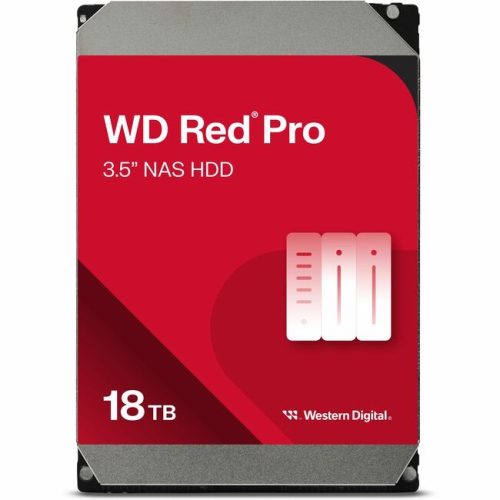
There is no cool way to open a post about a hard drive, so I am not going to try. This is the least exciting purchase in my entire 2024 spreadsheet, and it might also be the most quietly important one.
The Background
By the start of 2024, my storage situation had become a genuine problem. Between a PS5 library that keeps creeping toward the 100GB-per-title mark, a PC full of capture footage for content work, and years of accumulated screenshots, saves, and half-finished projects, I had run out of places to put things. I was doing the thing everyone does before they finally buy more storage: uninstalling one game to install another, then reinstalling the first one a week later, over and over, wasting hours on downloads I had already paid the bandwidth cost for once.
The fix was a Western Digital 18TB internal drive, picked up from Amazon in mid-January and dropped into an external enclosure I already had on hand. I did not go for anything exotic here. WD’s higher-capacity drives (the Red Pro NAS line and the Gold enterprise line both top out in this range) are built for exactly this kind of “just needs to work for years” duty, running at 7200 RPM with conventional (CMR, not the cheaper shingled SMR) recording, which matters if you care about consistent write speeds rather than just raw capacity.
Living With It
Eighteen terabytes sounds abstract until you actually fill part of it, and then it very quickly stops feeling abstract. I moved my entire back catalogue of finished games onto it, archived a full year of video project files, and still have the majority of the drive free. For the first time in years, I am not making triage decisions about what gets to stay installed.
Performance-wise, there is genuinely nothing to report, which is the highest compliment I can pay a hard drive. No clicking, no dropped connections, no thermal throttling once it warmed up in the enclosure. It just sits there, spinning, doing the one job I bought it to do. I do keep it plugged into a powered enclosure rather than running off bus power, which I would recommend to anyone considering a drive this size: capacity like this pulls more consistently than a laptop USB port wants to provide over the long haul.
The one thing worth knowing going in is that drives at this capacity are loud in the way spinning platters are loud, a low, steady hum plus the occasional seek click, especially compared to any SSD you might be used to. If your setup lives somewhere quiet, like a bedroom office, that is worth factoring in before you buy the same thing.
What I Liked
- Effectively solved my storage problem for the foreseeable future
- CMR recording means consistent write speeds, no slowdowns on large transfers
- Reliable, boring, does exactly what it says
- Strong cost-per-terabyte value compared to smaller drives or premium SSD storage at this capacity
What I Didn’t
- Audibly louder than SSD-based storage, noticeable in a quiet room
- Needs a proper powered enclosure to perform reliably at this size, which is an extra cost if you do not already own one
- Eighteen terabytes is enough that you will eventually need a backup strategy for it too, which is its own project
The Value Verdict
Rating: 4/5
This is not a purchase that generates excitement, but it is one of the better dollar-for-dollar decisions in my entire 2024 spending. Cost per terabyte on WD’s larger drives consistently beats smaller capacities and beats SSD storage by a wide margin, and a year-plus in, mine has not given me a single reason to think about it. If your library has outgrown your storage the way mine had, this is exactly the unglamorous fix to make.

