A Quiet Place: The Road Ahead, a Horror Game Built Entirely Around Shutting Up

Game Review · Purchased September 5, 2026 · $13.19 CAD via PSN

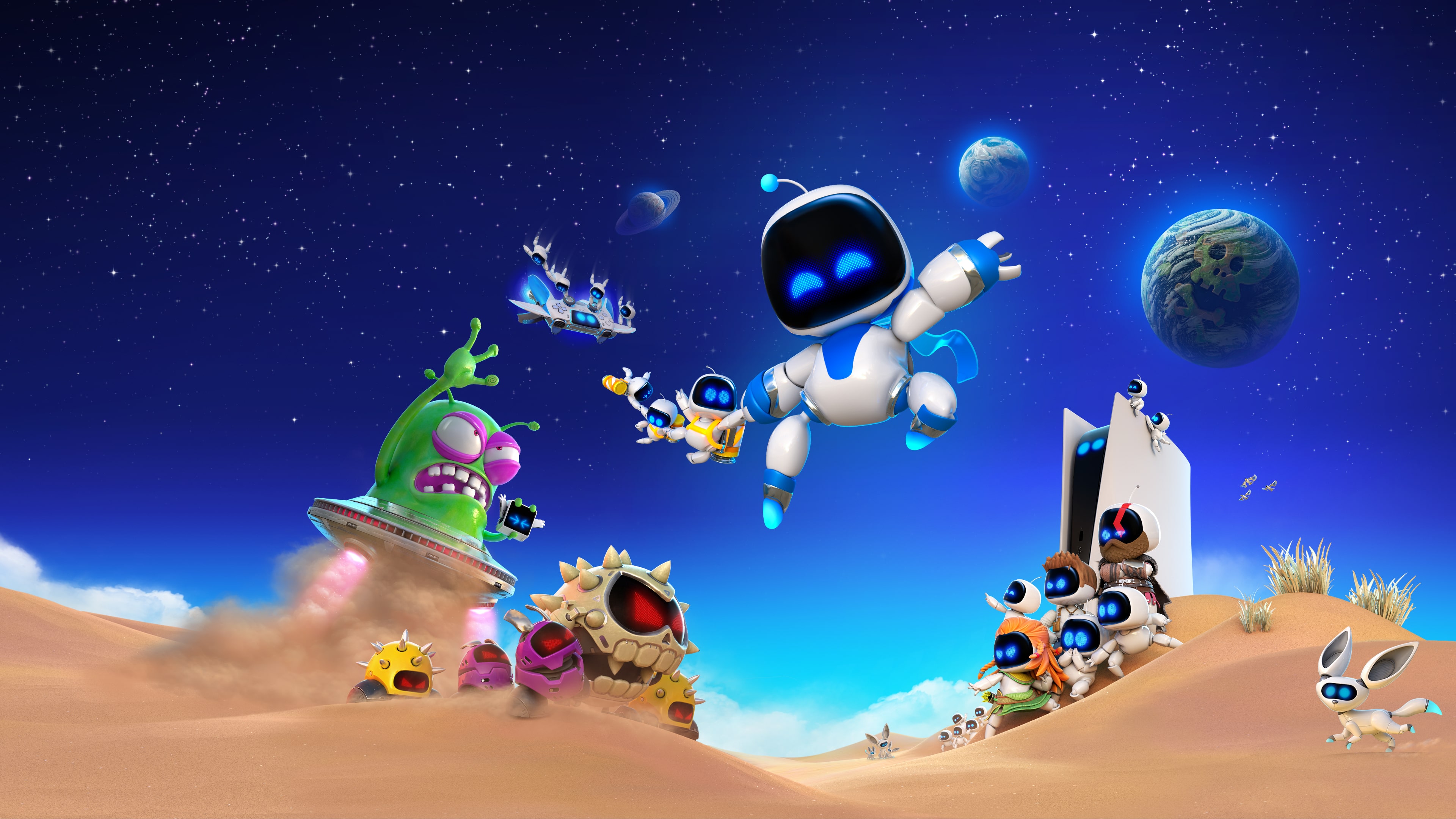
A Quiet Place: The Road Ahead key art
Photo via PlayStation Store

The Setup

A Quiet Place: The Road Ahead has been sitting on my wishlist since it launched a couple years back, and a PSN sale in September finally got the price low enough to pull the trigger. Developed by Stormind Games, it’s a third-person survival horror game built directly around the film franchise’s whole gimmick: stay quiet, or the things hunting by sound will find you.

Living With It

The sound-based stealth mechanic is genuinely well realized as a core system. Every action, from walking to opening a door to knocking over a can, generates a visible sound radius, and learning to move through environments while consciously managing your own noise output creates a very different kind of tension than most horror games bother with. There’s a real discipline to it: rushing through a section almost always gets you caught, and the game rewards a slow, deliberate pace in a way that fits the film’s whole ethos perfectly.

Where it wears thin is repetition. Once you understand the sound mechanic, which happens fairly early, the game doesn’t introduce a lot of new wrinkles to keep that same core loop feeling fresh across its full runtime, and by the back half I found myself going through the motions of the same sneak-and-hide pattern rather than being surprised by it. The atmosphere and sound design carry a lot of weight throughout, and the asthma mechanic tied to the protagonist adds a nice extra layer of tension on top of the noise system, but as a whole experience it’s a shorter, mid-tier horror game rather than something with a ton of replay value.

What I Liked

  • Sound-based stealth is a genuinely well-realized central mechanic
  • Strong atmosphere and sound design throughout
  • The asthma mechanic adds a clever extra layer of tension

What I Didn’t

  • Core loop gets repetitive once you’ve mastered the sound mechanic
  • Doesn’t introduce much new to keep the back half feeling fresh

The Verdict

Rating: 3.5/5

A clever central mechanic that doesn’t quite have enough behind it to fill its own runtime, but a good pickup on sale for fans of the films.
Where to Buy

The Wolf Among Us, Revisiting Fabletown Before the Remaster Takes Over

Game Review · Purchased August 5, 2026 · $9.99 CAD via Steam

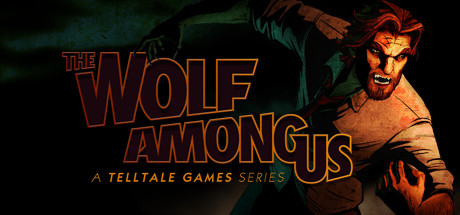
The Wolf Among Us key art
Photo via Steam

The Setup

With a full remaster of the original Wolf Among Us confirmed for the end of October, and an actual sequel finally in the works after years of uncertainty following Telltale’s collapse, I decided it was finally time to play the original 2013 game before either of those arrive and change how I experience it. A deep Steam sale made the decision easy.

Living With It

Even more than a decade later, the noir-fairytale premise still holds up remarkably well: Bigby Wolf, the Big Bad Wolf himself, working as the sheriff of a secret community of exiled fairytale characters hiding in 1980s New York, is a genuinely great hook, and the game leans hard into hardboiled detective atmosphere rather than playing the fairytale angle for cheap laughs. The writing and voice work, especially Bigby’s world-weary delivery, carry a huge amount of the experience.

The choice-driven Telltale format shows its age more than the writing does. Frame rates stutter in a few of the more effects-heavy sequences, and the quick-time combat prompts feel exactly as clunky as I remembered from other games of this era. Knowing a remaster is imminent made some of these rough edges easier to forgive going in, since I was essentially treating this as one last look at the original before a cleaner version presumably fixes a lot of it. Even with the technical warts, the story pulled me through all five episodes in a way very few choice-based games have managed since.

What I Liked

  • Exceptional noir-fairytale premise and writing that still holds up
  • Bigby Wolf is one of the better protagonists Telltale ever wrote
  • Genuinely gripping episodic structure that’s hard to put down

What I Didn’t

  • Technical rough edges and dated quick-time combat prompts
  • Frame rate stutters in some of the more effects-heavy scenes

The Verdict

Rating: 4.5/5

A genuinely great piece of writing wrapped around some dated tech. Worth playing now, and I’ll be curious to see what the remaster fixes.

Where to Buy

7 Days to Die, a Decade-Long Early Access Survival Game That Finally Grew Up

Game Review · Purchased April 14, 2026 · $32.99 CAD via PSN

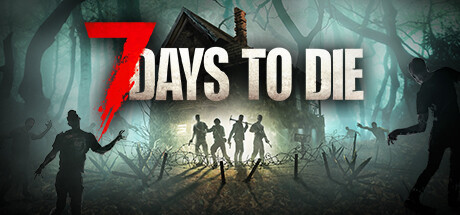
7 Days to Die key art
Photo via Steam

The Setup

7 Days to Die spent roughly eleven years in Early Access before finally hitting its 1.0 release in the summer of 2024, and that same update marked its first proper console launch on PS5 and Xbox Series X|S rather than staying a PC-only curiosity. I’d heard about the game for years without ever touching it, mostly through friends describing it as “Minecraft crossed with a zombie horde night,” which was intriguing enough that I finally grabbed the console version this spring once the post-launch patches had settled down.

Living With It

The base-building and crafting systems are genuinely deep in a way that surprised me. Every structure can be reinforced, upgraded, and defended with traps and fortifications, and the game rewards thinking like an actual survivalist rather than just building the biggest box you can. That depth pays off hardest on the seventh in-game day, when a horde night throws a sustained wave of zombies at whatever base you’ve built, and watching a carefully planned kill-zone actually work as intended is one of the more satisfying moments I’ve had in a survival game in a while.

Where it shows its age is in presentation. The animations and voxel-based visuals are functional rather than good, and there’s a rough, DIY quality to a lot of the UI and menus that betrays just how long this game spent in development limbo. The console port is solid, not spectacular; load times are longer than I’d like and the controller mapping for the deep crafting menus takes some getting used to, but nothing about it feels broken or rushed for a 1.0 release.

A horde night battle in 7 Days to Die
A horde night in progress. Photo via Steam.

What I Liked

  • Deep, rewarding base-building and fortification systems
  • Horde nights are a genuine highlight, tense and satisfying when your defenses work
  • A huge amount of crafting and progression depth for the price

What I Didn’t

  • Dated presentation and rough UI that show its long development history
  • Console load times and menu navigation are clunkier than PC

The Verdict

Rating: 4/5

Rough around the edges but genuinely deep, and the console port makes a decade-plus of development finally worth checking out if you missed it on PC.

Where to Buy

PowerWash Simulator 2: Same Great Grime, Better Toolkit

Game Review · Purchased October 23, 2025 · $37.50 CAD via PSN

Key art for PowerWash Simulator 2
PowerWash Simulator 2. Photo: PlayStation Store

The Setup

After an entire year of buying nearly every crossover pack the original PowerWash Simulator put out, picking up the actual sequel felt less like a purchase and more like an inevitability. The sequel drops the fictional town of Muckingham on players, with new locations including Sponge Valley, Power Falls, and Lubri City to scrub clean.

The Review

The core loop is exactly as satisfying as it’s always been, which is the correct instinct for a game this beloved for its simplicity, but the sequel adds real mechanical texture rather than just reskinning the original with new levels. Multi-stage jobs give individual cleaning tasks more structure than the original’s more single-note approach, and new tools like an abseiling rig and a cherry picker open up verticality that the first game never really had a good answer for.

The bigger structural change is multiplayer: split-screen co-op alongside online play for up to four people turns what was always a solo, meditative experience into something you can genuinely share with friends or family, and it works well without disrupting the low-stakes, relaxing tone that made the original a hit in the first place. Small additions like a customizable home base and a cat companion are the kind of low-effort, high-charm touches that this series has always been good at.

Coming off a year of buying five separate crossover packs for the original, this sequel makes a genuinely strong case that it will be worth doing the same thing all over again once its own crossover content starts arriving.

What I Liked

  • Core cleaning loop remains as satisfying as ever, with real new mechanical depth
  • New tools like the abseiling rig and cherry picker add welcome verticality
  • Split-screen and online co-op meaningfully expand how the game can be played
  • Small charm additions like the customizable home base and cat companion

What I Didn’t

  • Still fundamentally the same core loop as the original, for better or worse
  • No crossover content yet at launch, which was a huge part of what kept the first game interesting all year

The Verdict

Rating: 4/5

A genuine improvement on a game that didn’t strictly need fixing, and the new co-op options alone make this an easy recommendation for anyone who enjoyed the original with a friend looking over their shoulder.

Where to Buy

Dying Light: The Beast, A Standalone Sequel That Earns Its Own Name

Game Review · Purchased October 18, 2025 · $89.59 CAD via PSN

Key art for Dying Light: The Beast
Dying Light: The Beast. Photo: PlayStation Store

The Setup

Originally planned as DLC for Dying Light 2 before growing into a full standalone release, The Beast follows Kyle Crane, the protagonist of the original Dying Light, now carrying both human and zombie DNA after years of captivity and experimentation. Set in the new, zombie-infested valley of Castor Woods, it blends the series’ trademark first-person parkour with a new dual playstyle built around Crane’s monstrous abilities, plus up to four-player co-op.

The Review

The parkour, the series’ defining strength since the original game, feels as good here as it ever has, fluid traversal across a genuinely well laid out map that rewards momentum and vertical thinking over just running in straight lines. Bringing back Crane specifically, rather than a new protagonist, gives the story a sense of continuity the more recent mainline entry sometimes lacked, and the new beast abilities add a satisfying second layer to combat that goes beyond the usual crafting-and-melee loop.

Castor Woods as a setting strikes a good balance between the series’ urban roots and something a little more open and rural, giving traversal a different rhythm than the tightly packed cityscapes of past entries without losing what made the movement systems fun in the first place. Whether this fully justifies growing from planned DLC into a full-price standalone release is a fair question, but the amount of new content and the strength of Crane’s return make a reasonable case for it.

What I Liked

  • Parkour and traversal remain the series’ strongest asset, and it shows here
  • Bringing back Kyle Crane gives real narrative continuity
  • New beast abilities add a genuinely fresh layer to combat
  • Castor Woods is a well-designed change of pace from past settings

What I Didn’t

  • Started life as DLC, and the full-price ask reflects some growing pains from that transition
  • Newcomers without prior series context may miss some of Crane’s return’s emotional weight

The Verdict

Rating: 4/5

For longtime Dying Light fans, this is an easy recommendation, sharp parkour, a satisfying new combat layer, and a genuinely welcome return for Crane. Worth checking current pricing before buying, since it launched at a premium for what began life as an expansion.

Where to Buy

Life is Strange: Double Exposure, A Solid Sequel That Does Not Quite Match the Original

Game Review · Purchased December 22, 2024 · $44.99 CAD via EB Games

Key art for Life is Strange: Double Exposure
Life is Strange: Double Exposure. Photo: PlayStation Store

The Setup

Double Exposure catches up with original Life is Strange protagonist Max Caulfield years after the first game, swapping the original’s time-rewind mechanic for a new parallel-timeline system: rather than rewinding a single reality, Max can shift her perception between two diverging versions of the same moment.

The Review

Having replayed the Remastered Collection earlier in the year specifically to prepare for this, I went in about as primed as a player can be, and the writing and voice work that made the original resonate are clearly still present here: grounded character moments, a strong sense of place, and performances that carry a lot of emotional weight. Where reception, and my own experience, landed more mixed was the central mystery plot and the new parallel-timeline mechanic itself, which several reviewers and I both felt was less tightly constructed than the elegant simplicity of the original’s rewind power.

It is a game that clearly wanted to evolve the formula rather than just repeat it, and I respect that instinct even where the execution did not fully land for me the way the original did over a decade of hindsight and cultural conversation behind it.

What I Liked

  • Strong writing and voice performances consistent with the series’ reputation
  • New setting and older Max give the story fresh emotional territory to explore
  • Genuine attempt to evolve rather than repeat the original’s mechanics

What I Didn’t

  • New parallel-timeline mechanic feels less tightly constructed than the original’s rewind system
  • Central mystery plot underwhelmed compared to the series’ past narrative highs
  • Best appreciated with real prior investment in the series

The Verdict

Rating: 3/5

For existing fans of the series, this is a worthwhile continuation, but if you are new to Life is Strange, start with the Remastered Collection first rather than jumping straight into this one.

Where to Buy

Suicide Squad: Kill the Justice League, A Discount-Bin Curiosity That Confirmed the Discourse

Game Review · Purchased October 20, 2024 · $20.15 CAD via PSN

Key art for Suicide Squad: Kill the Justice League
Suicide Squad: Kill the Justice League. Photo: PlayStation Store

The Setup

Rocksteady’s live-service superhero shooter launched earlier in 2024 to a rocky reception, a genuine surprise given the studio’s beloved Batman: Arkham legacy, and by the time I picked it up in October at a steep post-launch discount, the game had already become something of a cautionary tale in the industry about chasing live-service trends with a studio and franchise built around single-player storytelling.

The Review

Coming in with lowered expectations and a heavily discounted price actually made for a more fair assessment than launch reviews probably allowed for: the core shooting and traversal mechanics are genuinely fine, even solid in short bursts, with each character controlling distinctly enough to matter. The problems reviewers and the community flagged at launch are still present though: a live-service structure bolted onto characters and a universe that fans wanted a proper single-player Arkham-style story from, and narrative choices (without spoiling specifics) that a large portion of the existing fanbase found genuinely unwelcome.

Playing this months after launch, once the initial backlash had already reshaped the wider conversation around the game, it was hard not to view it as a case study in mismatched expectations between what a studio’s fanbase wanted and what got built.

What I Liked

  • Solid core shooting and traversal mechanics
  • Distinct character playstyles
  • At a steep discount, low financial risk to see the discourse firsthand

What I Didn’t

  • Live-service structure clashes with what fans of the studio’s prior work actually wanted
  • Narrative choices proved divisive within the existing fanbase
  • Full launch price would be very hard to justify given the reception

The Verdict

Rating: 2/5

At the deep discount I paid, this was a reasonable curiosity purchase. At full launch price, this would be a hard no, and the wider gaming community’s reaction backs that up.

Where to Buy

Astro Bot: The Full-Price Game That Actually Earned Its Full Price

Game Review · Purchased September 6, 2024 · $89.59 CAD via EB Games

Key art for Astro Bot on PS5
Astro Bot. Photo: PlayStation Store

The Setup

Astro Bot took home the Game Awards’ Game of the Year trophy for 2024, and it did so as a pure, joyful 3D platformer built from the ground up to show off exactly what the PS5 and DualSense controller can do, level by inventive level.

The Review

I bought the physical copy on launch week alongside the limited edition controller and digital deluxe upgrade covered elsewhere in this series, and the game more than justified going all-in on day one. Every level introduces a new mechanic, gadget, or gimmick tied specifically to the DualSense’s haptics and adaptive triggers, and rather than the usual pattern of a few standout ideas stretched across a whole game, Astro Bot keeps generating fresh ideas at a pace that rarely lets up across its full runtime.

This has been widely compared to the best Mario platformers of the current era, and having played through it, that comparison holds up: tight controls, generous but fair difficulty curve, and a level of craft and polish in every individual level that most platformers, even good ones, do not sustain for an entire game.

What I Liked

  • Constant stream of fresh ideas and mechanics, level after level
  • Some of the best use of DualSense haptics and adaptive triggers in any PS5 game
  • Tight, satisfying platforming controls
  • Genuinely joyful tone throughout

What I Didn’t

  • As a mascot platformer, it will always have a lower ceiling of mainstream attention than bigger franchise names, despite deserving comparison to the best of them
  • Some players may find the difficulty curve too gentle if they want a harder platforming challenge

The Verdict

Rating: 5/5

This is the rare full-price game that consistently gets recommended as worth buying at launch rather than waiting for a sale, and having played it, I agree completely.

Where to Buy

Life is Strange Remastered Collection: The Right Way to Catch Up Before Double Exposure

Game Review · Purchased August 31, 2024 · $29.95 CAD via PSN

Key art for the Life is Strange Remastered Collection
Life is Strange Remastered Collection. Photo: PlayStation Store

The Setup

This collection bundles remastered versions of the original Life is Strange and its prequel, Life is Strange: Before the Storm, cleaning up visuals, animations, and lip sync from the original last-generation releases, timed ahead of Double Exposure’s launch later the same year.

The Review

I picked this up specifically to refresh my memory before Double Exposure, and it turned out to be exactly the right call. The visual and technical upgrades are meaningful without changing the fundamental experience that made these games resonate in the first place: strong, grounded character writing, a distinctive time-rewind mechanic that the original built its entire narrative structure around, and a willingness to sit with difficult, real emotional material that set the series apart from a lot of its contemporaries when it first launched.

For anyone who only played these on previous-generation hardware, or never played them at all, this remains the definitive way to experience the story that everything else in the franchise, Double Exposure included, builds on.

What I Liked

  • Two well-regarded narrative games bundled for well under $30
  • Meaningful visual and technical improvements over the originals
  • Essential context before playing Double Exposure
  • Strong, still-resonant character writing years later

What I Didn’t

  • If you already own and have played the originals extensively, the remaster alone may not feel like a necessary re-buy
  • Core gameplay remains simple by modern standards, this is a narrative experience first

The Verdict

Rating: 4/5

Especially as a lead-in to Double Exposure, this is a strong deal: two well-regarded narrative games, cleaned up and modernized, for under $30.

Where to Buy

Memorrha: A Small, Moody Game That Punches Well Above Its Price

Game Review · Purchased May 31, 2024 · $12.09 CAD via PSN

Key art for Memorrha, a moody puzzle-adventure game
Memorrha. Photo: Steam

The Setup

Memorrha is a quiet, atmospheric puzzle-adventure about piecing a broken world back together, built around environmental storytelling rather than dialogue or exposition, in the same general lineage as games like Gris or Rime.

The Review

At just over twelve dollars, this was one of the smallest financial commitments in my entire year, and it delivered a genuinely distinct mood and visual identity that a lot of much more expensive games never manage. The puzzle design is not the deepest or most challenging in the genre, but that was never really the point, the game is more interested in atmosphere, sound design, and the slow reveal of its world than in testing your problem-solving skills.

Games like this live or die on whether the specific mood they are chasing lands for you personally, and this one landed for me: a short, contemplative experience that felt worth the handful of hours it asked for.

What I Liked

  • Distinct, moody atmosphere and art direction
  • Strong environmental storytelling with minimal reliance on dialogue
  • Extremely low financial risk given the price
  • A satisfying handful of hours rather than an overstuffed runtime

What I Didn’t

  • Puzzle design is fairly light, not a game for anyone wanting a real mechanical challenge
  • The mood-first approach will not land for players who want a stronger narrative throughline

The Verdict

Rating: 4/5

A small, low-risk purchase that delivers a genuinely distinct atmosphere you do not get from bigger-budget titles. Easy to recommend at this price specifically.

Where to Buy