Life is Strange: Double Exposure, A Solid Sequel That Does Not Quite Match the Original

Game Review · Purchased December 22, 2024 · $44.99 CAD via EB Games

Key art for Life is Strange: Double Exposure
Life is Strange: Double Exposure. Photo: PlayStation Store

The Setup

Double Exposure catches up with original Life is Strange protagonist Max Caulfield years after the first game, swapping the original’s time-rewind mechanic for a new parallel-timeline system: rather than rewinding a single reality, Max can shift her perception between two diverging versions of the same moment.

The Review

Having replayed the Remastered Collection earlier in the year specifically to prepare for this, I went in about as primed as a player can be, and the writing and voice work that made the original resonate are clearly still present here: grounded character moments, a strong sense of place, and performances that carry a lot of emotional weight. Where reception, and my own experience, landed more mixed was the central mystery plot and the new parallel-timeline mechanic itself, which several reviewers and I both felt was less tightly constructed than the elegant simplicity of the original’s rewind power.

It is a game that clearly wanted to evolve the formula rather than just repeat it, and I respect that instinct even where the execution did not fully land for me the way the original did over a decade of hindsight and cultural conversation behind it.

What I Liked

  • Strong writing and voice performances consistent with the series’ reputation
  • New setting and older Max give the story fresh emotional territory to explore
  • Genuine attempt to evolve rather than repeat the original’s mechanics

What I Didn’t

  • New parallel-timeline mechanic feels less tightly constructed than the original’s rewind system
  • Central mystery plot underwhelmed compared to the series’ past narrative highs
  • Best appreciated with real prior investment in the series

The Verdict

Rating: 3/5

For existing fans of the series, this is a worthwhile continuation, but if you are new to Life is Strange, start with the Remastered Collection first rather than jumping straight into this one.

Where to Buy

PS5 Pro: The Most Expensive Way to Notice a Frame Rate

Hardware Review · Purchased December 9, 2024 · $1,075.18 CAD via EB Games

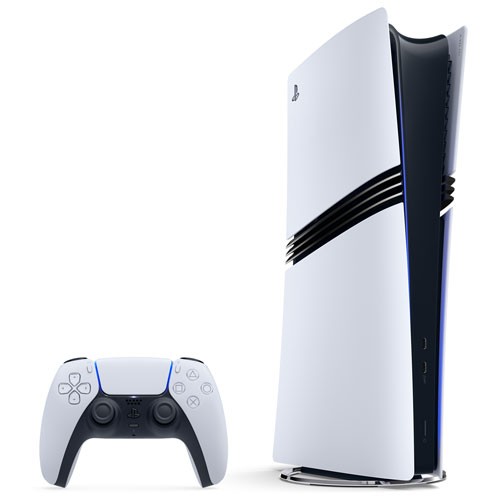
PlayStation 5 Pro console
The PS5 Pro. Photo via Best Buy Canada.

This was the single biggest console purchase of my year, and it is also the one I have gone back and forth on the most while writing about it.

The Background

Sony announced the PS5 Pro in September 2024 with Canadian pricing set at $959.99 before tax, positioning it as a mid-generation refresh rather than a true next console: better and more consistent ray tracing, higher and steadier frame rates in supported titles, and a beefed-up GPU, all while keeping the same basic PS5 software ecosystem and game library rather than starting over. It also ships with a built-in 2TB SSD, up from the base model’s smaller drive, which mattered to me given how quickly modern installs eat through storage.

I picked mine up at EB Games in early December, and the total I paid ($1,075.18) reflects tax plus whatever accessory or bundle got attached at checkout on top of that base $959.99 price. By the time I bought in, launch week chaos had settled and stock was reasonably available, which was one small mercy in an otherwise expensive month.

Living With It

The honest starting point here is that the PS5 Pro is a real, measurable upgrade, but only in games that specifically support its enhancements. Sony calls this “PS5 Pro Enhanced,” and through the back half of 2024 that list was still filling in rather than covering the full library. In supported titles, the difference is genuinely noticeable: steadier frame rates during busy scenes, meaningfully improved ray-traced reflections and lighting, and in some cases the ability to run performance-mode frame rates at what used to be quality-mode resolution. In anything outside that enhanced list, you are playing the exact same experience as a base PS5, just on more expensive hardware.

The built-in 2TB drive is a genuinely welcome quality-of-life improvement on its own, and it means less immediate pressure to add an internal expansion drive the way base PS5 owners often need to.

Where this purchase gets harder to defend is the price-to-benefit math. Going from a base PS5 to a PS5 Pro costs roughly the same as buying a second console, for improvements that, outside of enhanced titles, you will not notice at all during actual play. This is squarely a purchase for people who already care about frame pacing, resolution, and ray tracing fidelity at a level most casual players simply do not track moment to moment.

What I Liked

  • Noticeably better and steadier performance in PS5 Pro Enhanced titles
  • Meaningfully improved ray tracing quality where supported
  • Built-in 2TB SSD solves the storage anxiety base PS5 owners deal with
  • No ecosystem changes, every existing game and save just works

What I Didn’t

  • Enhanced title support was still incomplete through the back half of 2024
  • No visible benefit at all in non-enhanced games, which is most of the existing library
  • At over $1,000 CAD out the door, this is priced like a luxury upgrade, not a necessary one
  • Requires you to already own or be replacing a base PS5, so the real cost comparison is steep

The Value Verdict

Rating: 3/5

I do not regret this purchase, but I also cannot recommend it to everyone. If you are the kind of player who genuinely notices frame pacing dips and resolution compromises, and you have the specific games in your rotation that support the Pro enhancements, this delivers real, tangible improvement. If you are a more casual player, save the money and put it toward the games themselves.

Where to Buy

Disney Dreamlight Valley: The Storybook Vale, More of a Formula I Still Enjoy

DLC Review · Purchased November 20, 2024 · $71.76 CAD via Xbox.com

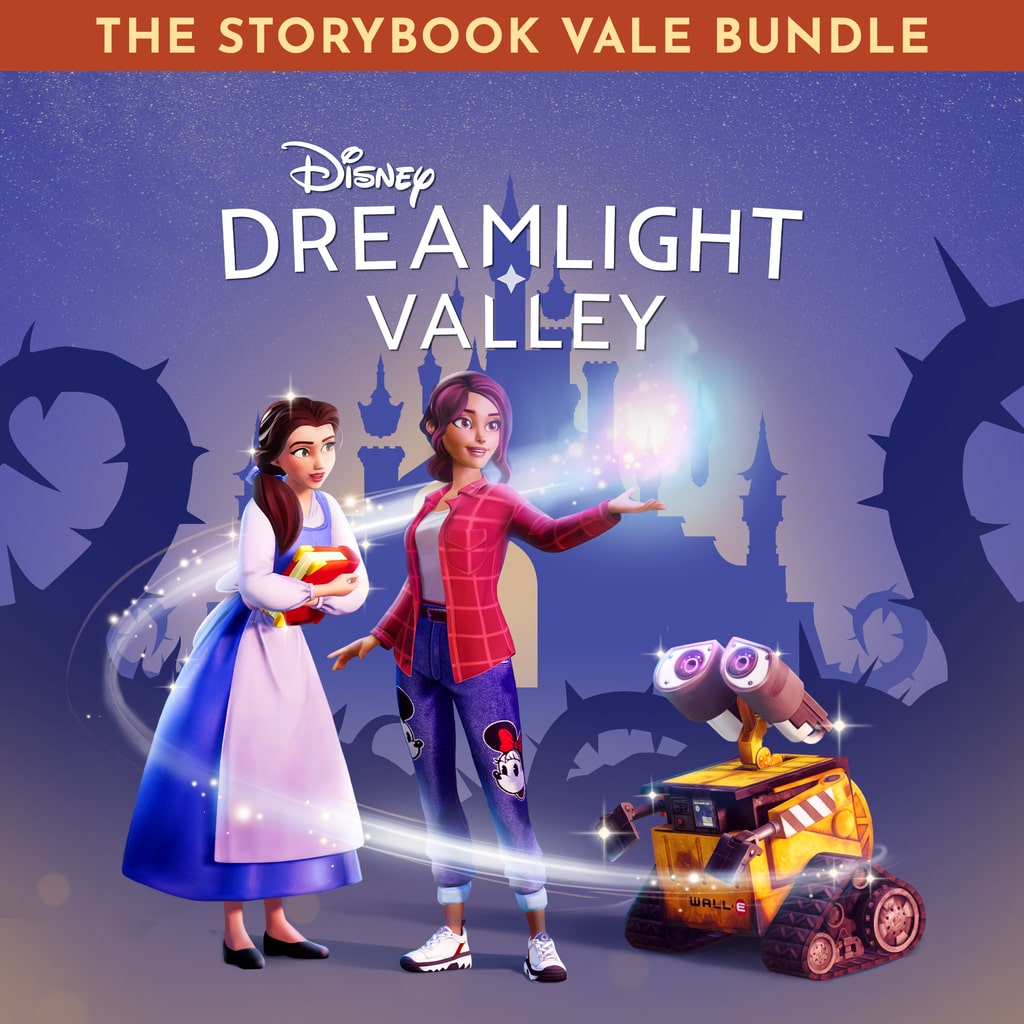
Key art for Disney Dreamlight Valley: The Storybook Vale
Disney Dreamlight Valley: The Storybook Vale. Photo: PlayStation Store

The Background

Disney Dreamlight Valley built a loyal audience by blending cozy life-sim mechanics (farming, decorating, friendship building) with actual Disney and Pixar characters and storylines, and The Storybook Vale is a premium expansion pack adding new realms, characters, including Rapunzel and Flynn Rider, and story content on top of that established foundation.

Living With It

This is the priciest DLC purchase in my entire 2024 spreadsheet, and coming in above the $70 mark puts it in a different category than the roughly $12 PowerWash packs and $21 currency bundles that make up most of this section. That price is more defensible than it might first appear, given how much new content the expansion actually adds: new realms to explore and decorate, meaningful character-specific storylines rather than generic filler quests, and enough new systems and content to genuinely extend the life of a game that some players had already worked through the bulk of.

Reviews at launch (and my own time with it) landed on similar ground: this is a well-produced, content-rich expansion that clearly understands what the existing Dreamlight Valley audience wants, more of the same core loop, done well, with new characters and settings to wrap around it. What it is not is a reinvention of the formula, and a small number of reviewers specifically flagged that as a minor disappointment given the price point, wanting the premium expansion to push the format somewhere genuinely new rather than expanding it along the same lines.

For someone already invested in the base game’s rhythm, spending an evening building out a new Rapunzel-themed area of the valley delivered exactly the kind of relaxing, satisfying progression loop that made the base game worth playing regularly in the first place.

What I Liked

  • Genuinely substantial amount of new content, not a thin premium reskin
  • Rapunzel and Flynn Rider’s storylines are well written and true to the source material
  • Extends the life of a game I was already invested in rather than replacing what worked

What I Didn’t

  • The priciest DLC purchase of my entire year, worth going in with clear expectations
  • More of the same established formula rather than a meaningful evolution of it
  • Value is heavily dependent on already being invested in the base game’s core loop

The Value Verdict

Rating: 3/5

Reasonable if you are already invested in Dreamlight Valley as an ongoing game, this delivers real, substantial content. Just know going in that this is a “more of what you already like” purchase rather than a must-have reinvention.

Where to Buy

Suicide Squad: Kill the Justice League, A Discount-Bin Curiosity That Confirmed the Discourse

Game Review · Purchased October 20, 2024 · $20.15 CAD via PSN

Key art for Suicide Squad: Kill the Justice League
Suicide Squad: Kill the Justice League. Photo: PlayStation Store

The Setup

Rocksteady’s live-service superhero shooter launched earlier in 2024 to a rocky reception, a genuine surprise given the studio’s beloved Batman: Arkham legacy, and by the time I picked it up in October at a steep post-launch discount, the game had already become something of a cautionary tale in the industry about chasing live-service trends with a studio and franchise built around single-player storytelling.

The Review

Coming in with lowered expectations and a heavily discounted price actually made for a more fair assessment than launch reviews probably allowed for: the core shooting and traversal mechanics are genuinely fine, even solid in short bursts, with each character controlling distinctly enough to matter. The problems reviewers and the community flagged at launch are still present though: a live-service structure bolted onto characters and a universe that fans wanted a proper single-player Arkham-style story from, and narrative choices (without spoiling specifics) that a large portion of the existing fanbase found genuinely unwelcome.

Playing this months after launch, once the initial backlash had already reshaped the wider conversation around the game, it was hard not to view it as a case study in mismatched expectations between what a studio’s fanbase wanted and what got built.

What I Liked

  • Solid core shooting and traversal mechanics
  • Distinct character playstyles
  • At a steep discount, low financial risk to see the discourse firsthand

What I Didn’t

  • Live-service structure clashes with what fans of the studio’s prior work actually wanted
  • Narrative choices proved divisive within the existing fanbase
  • Full launch price would be very hard to justify given the reception

The Verdict

Rating: 2/5

At the deep discount I paid, this was a reasonable curiosity purchase. At full launch price, this would be a hard no, and the wider gaming community’s reaction backs that up.

Where to Buy

The Astro Bot DualSense: Buying a Controller for the Paint Job

Hardware Review · Purchased September 6, 2024 · $111.98 CAD via EB Games

Astro Bot Limited Edition DualSense wireless controller
The Astro Bot Limited Edition DualSense. Photo via PlayStation.Blog.

Sometimes you buy a piece of hardware for what it does. Sometimes you buy it for what it looks like sitting on your shelf. This is very much the second kind of purchase, and I am not going to pretend otherwise.

The Background

Astro Bot launched in September 2024 to the kind of reception that immediately tells you something special happened: near-universal critical acclaim, and eventually the Game Awards’ Game of the Year trophy. Sony backed the launch with a limited edition DualSense controller in Astro Bot’s cream-and-blue colour scheme, complete with small Astro Bot etchings and a matching light bar treatment, and it sold out fast enough that I count myself lucky to have grabbed one at EB Games on launch week rather than hunting resale listings afterward.

I bought this the same day as the physical copy of the game and the digital deluxe upgrade, so this was very much a “go all in on launch day” purchase rather than a considered, separate decision.

Living With It

Let’s be completely honest about what this controller is: a completely standard DualSense with a limited edition paint job. The haptics, adaptive triggers, built-in speaker, and touchpad all function identically to the roughly $85 base model. There is no functional upgrade hiding in here, no exclusive feature, nothing that makes Astro Bot the game play or feel any different than it would on a plain black pad.

What you are paying the premium for is entirely the aesthetics, and on that front it delivers. The colourway is genuinely well done, restrained rather than garish, and it photographs nicely if you are the type to post a setup shot. Because these sold out quickly around launch, there is also a small collector’s satisfaction in having one from the actual release window rather than picking one up later.

If I am being fully honest with myself, the DualSense form factor itself is what makes this purchase easy to justify at all: it is already a genuinely excellent controller before you factor in any paint job, with haptic feedback that meaningfully changes how a lot of PS5 games feel to play.

What I Liked

  • Clean, well-executed colour scheme that does not feel gimmicky
  • Same excellent DualSense hardware underneath (haptics, adaptive triggers, speaker)
  • Limited release window adds a bit of genuine collector’s value
  • Paired perfectly with launch day for one of the best games of the year

What I Didn’t

  • Zero functional difference from the roughly $85 base DualSense
  • Pure premium-for-aesthetics purchase, easy to talk yourself out of if you are budget conscious
  • Limited stock meant a real risk of missing out entirely if I had waited even a week

The Value Verdict

Rating: 3/5

Judge this one by what it actually is: a paint job on hardware you would probably buy anyway. If you love Astro Bot and want the shelf piece to match, it delivers exactly what it promises and nothing more. If you are looking at this as a controller upgrade, save the premium and get the base model instead.

Where to Buy

Astro Bot: The Full-Price Game That Actually Earned Its Full Price

Game Review · Purchased September 6, 2024 · $89.59 CAD via EB Games

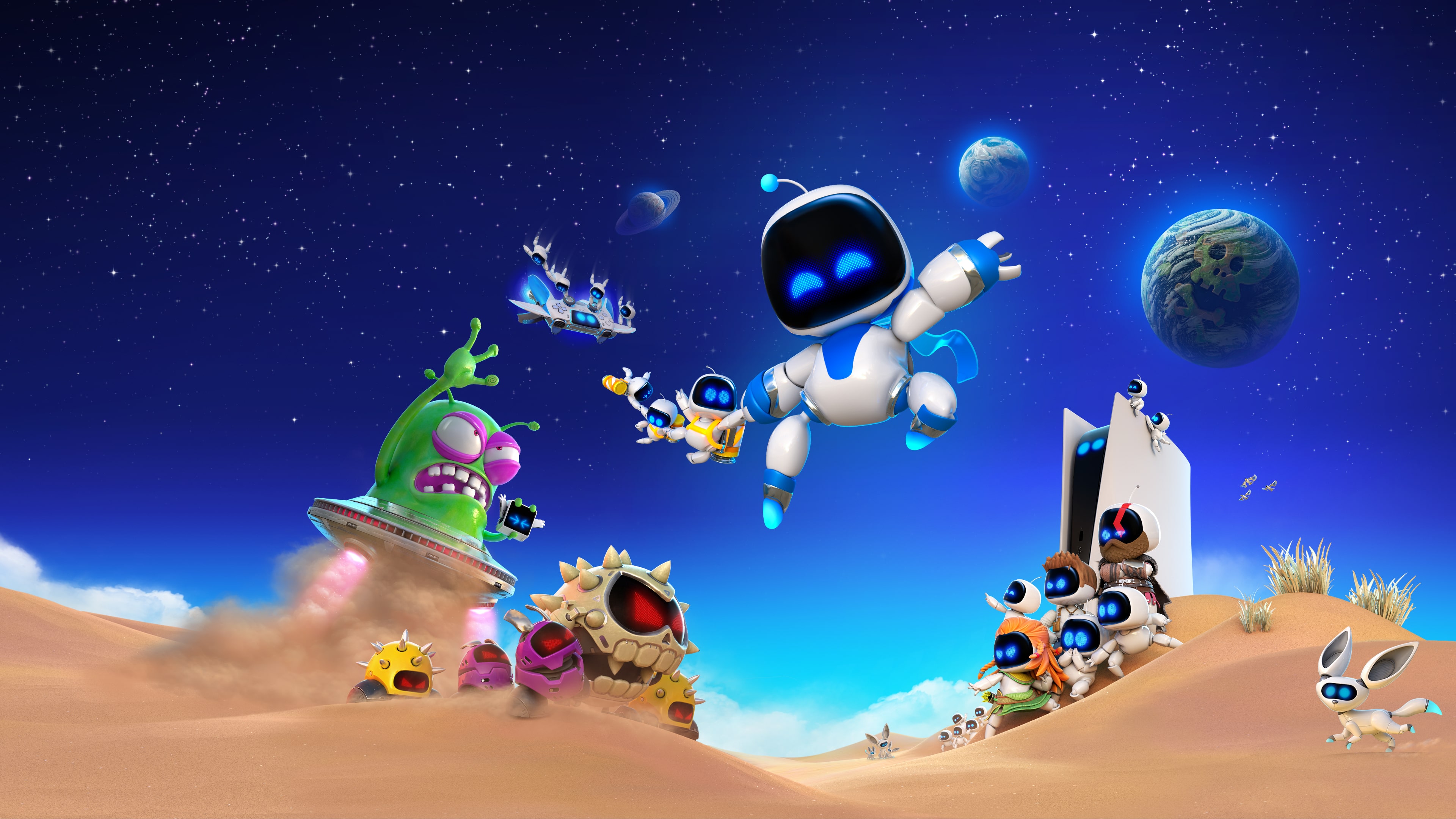
Key art for Astro Bot on PS5
Astro Bot. Photo: PlayStation Store

The Setup

Astro Bot took home the Game Awards’ Game of the Year trophy for 2024, and it did so as a pure, joyful 3D platformer built from the ground up to show off exactly what the PS5 and DualSense controller can do, level by inventive level.

The Review

I bought the physical copy on launch week alongside the limited edition controller and digital deluxe upgrade covered elsewhere in this series, and the game more than justified going all-in on day one. Every level introduces a new mechanic, gadget, or gimmick tied specifically to the DualSense’s haptics and adaptive triggers, and rather than the usual pattern of a few standout ideas stretched across a whole game, Astro Bot keeps generating fresh ideas at a pace that rarely lets up across its full runtime.

This has been widely compared to the best Mario platformers of the current era, and having played through it, that comparison holds up: tight controls, generous but fair difficulty curve, and a level of craft and polish in every individual level that most platformers, even good ones, do not sustain for an entire game.

What I Liked

  • Constant stream of fresh ideas and mechanics, level after level
  • Some of the best use of DualSense haptics and adaptive triggers in any PS5 game
  • Tight, satisfying platforming controls
  • Genuinely joyful tone throughout

What I Didn’t

  • As a mascot platformer, it will always have a lower ceiling of mainstream attention than bigger franchise names, despite deserving comparison to the best of them
  • Some players may find the difficulty curve too gentle if they want a harder platforming challenge

The Verdict

Rating: 5/5

This is the rare full-price game that consistently gets recommended as worth buying at launch rather than waiting for a sale, and having played it, I agree completely.

Where to Buy

Destiny: The Final Shape Collector’s Edition, A Year-Long Wait For a Shelf Piece

Collectibles Review · Pre-ordered 2023, charged 2024 · $274.41 CAD ($202.39 USD) via Bungie.net

Destiny 2: The Final Shape Collector's Edition
Destiny 2: The Final Shape Collector’s Edition. Photo via Noble Knight Games.

Pre-ordering a collector’s edition means making a bet almost a year before you know if it paid off. This is how mine landed.

The Background

I put money down on The Final Shape Collector’s Edition back in 2023, well before the game’s story content, release timeline, or even final box contents were fully locked in. That is simply how Destiny 2 collector’s editions work: Bungie announces the tiers, you pick a lane based on trust in the studio and love for the franchise, and then you wait. The charge did not actually hit until 2024, closer to launch, which is why this shows up in my 2024 spreadsheet despite the pre-order going back a year earlier.

The Final Shape mattered more than a typical expansion because it was billed, correctly as it turned out, as the closing chapter of the entire Light and Darkness saga that has run through Destiny since the very first game. For someone who has put real hours into this universe, that context is the whole reason a collector’s edition made sense at all.

Living With It

Collector’s editions live or die on physical execution, and Bungie’s track record here has genuinely been inconsistent across past expansions, some tiers landing beautifully, others feeling thin for the price. This one landed on the better side of that history for me: the included statue and art book both felt like genuine collector-grade items rather than an afterthought bundled onto a digital purchase, and the packaging itself was clearly designed with display in mind rather than just shipping efficiency.

The digital side (season content, exclusive cosmetics, and the expansion’s exotic weapons and armor) delivered exactly what was promised at launch, and playing through The Final Shape’s campaign with the knowledge that this was the actual conclusion to a decade of storytelling gave the whole experience a weight that a standard edition purchase would not have carried in quite the same way.

The honest caveat, and the reason I cannot universally recommend this to anyone reading who is not already a Destiny player: none of this makes sense outside the context of years of investment in the game’s lore.

What I Liked

  • Physical items felt like genuine collector-grade quality, not an afterthought
  • Meaningful send-off for a decade-long storyline, which added real emotional weight
  • Digital content and exotics delivered exactly as promised at launch
  • A noticeably stronger collector’s edition than some of Bungie’s past efforts

What I Didn’t

  • Pre-ordering a year out is a genuine leap of faith with no guarantee on final quality
  • Entirely dependent on prior investment in the franchise to justify the price
  • Bungie’s collector’s edition track record has been inconsistent enough that trust, not certainty, is what you are buying on

The Value Verdict

Rating: 4/5

For a general audience, this is an easy pass, it simply does not translate outside the context of the game. As a longtime Guardian who wanted a real physical marker for the end of the saga, I got exactly what I hoped for: a well-made shelf piece and a proper closing chapter, at a price that only makes sense to people already this deep in.

Where to Buy

Vonado’s Horizon “Thunder Claw”: Building the Machine LEGO Never Made

Vonado Review · Purchased February 11, 2024 · $427.99 CAD via Vonado

Thunderjaw Horizon building block set
A Thunderjaw compatible-brick build. Photo via FantasMall.

Some of the best entries in a compatible-brick catalogue exist specifically because the official license holder never got around to making them.

The Background

LEGO has released exactly one officially licensed Horizon product: the Forbidden West Tallneck set (76989), a mid-size build that came out to solid reviews but left an obvious gap for fans of the game’s other, more aggressive machines. There has never been an official LEGO Thunderjaw or any similarly named “Thunder Claw” set. What I bought is a fan (MOC) design manufactured and sold as a compatible kit through Vonado, filling a hole in the official catalogue that LEGO itself has simply never addressed.

This arrived as part of the same large February order as the Star Wars sets earlier in this series, and at $427.99 it represented a real step up in both price and ambition from those smaller builds.

Living With It

Machine-creature builds like this live or die on articulation, and this is where the set earns its price tag. The legs, head, and tail all have genuine poseable joints rather than being fixed in one aggressive dinosaur-esque stance, which meant I could actually pose it in a way that matched reference art from the game rather than settling for whatever the instructions defaulted to. Getting that kind of mechanical complexity right, with joints that hold their pose under the model’s own weight instead of drooping, is a genuinely harder engineering problem than a static ship or building, and it shows in both the piece count and the build time, which ran closer to a full weekend than a single evening.

The tradeoff for all of that is durability handling: with this many articulated joints, this is not a set you want younger hands or a curious pet handling roughly, since the connection points that allow posing are inherently a little less rigid than a fully fixed structure would be.

What I Liked

  • Fills a real gap, there is no official LEGO equivalent at this scale or price
  • Genuinely impressive articulation and poseability for a brick-built creature
  • Shell and plating detail translates the source game’s design language well
  • A satisfying weekend-length build rather than a quick evening project

What I Didn’t

  • Poseable joints mean less structural rigidity than a fixed-position build
  • Not something to display somewhere it might get bumped or handled roughly
  • A meaningful price jump from the smaller sets earlier in the same order

The Value Verdict

Rating: 4/5

For a Horizon fan, this is close to essential specifically because nobody else has made it. LEGO’s own catalogue leaves this exact machine on the table, and Vonado’s version fills that gap with a genuinely well-engineered build. Just budget real assembly time and a stable shelf for it once it is done.

Where to Buy

Dead Island 2 Deluxe Edition: Buying the Whole Meal Instead of Ordering Extras Later

Game Review · Purchased January 16, 2024 · $70.50 CAD via PSN

Key art for Dead Island 2
Dead Island 2. Photo: PlayStation Store

The Setup

Dead Island 2’s Deluxe Edition bundles the base game with its full expansion pass and a handful of cosmetic extras, essentially pre-purchasing both the story expansions I reviewed separately elsewhere in this series and the core game in a single transaction.

The Review

The base game earned its positive reception honestly: gory, physical melee combat with genuine weight behind every swing, and a strong, distinct sense of place across a zombie-infested, sun-bleached version of Los Angeles that manages to feel different from the series’ earlier tropical island settings despite the shared DNA. Character progression through the skill card system gave real room to build a personal combat style, whether that meant leaning into elemental weapon effects, crowd control, or straightforward melee damage.

Buying the Deluxe bundle upfront, rather than the base game alone with the intention of grabbing the expansion pass later, turned out to be the financially smarter move: bundled together, the combined price undercuts what buying both pieces separately at full price down the line would have cost, a fairly rare case of a “deluxe” tier actually representing straightforward savings rather than just cosmetic upselling.

The expansions themselves (covered in more depth in their own post in this series) landed as solid, if not essential, extra content, which does put a small dent in the overall value proposition of the bundle, but the core game alone was strong enough to make this purchase worthwhile even setting the expansions aside entirely.

What I Liked

  • Genuinely satisfying, weighty melee combat
  • Distinct, well-realized setting
  • Bundled pricing meaningfully undercuts buying the pieces separately later
  • Flexible skill card system supports different playstyles

What I Didn’t

  • Included expansions are decent rather than essential, slightly softening the bundle’s overall value
  • Open-world structure occasionally repeats itself across the map’s different districts

The Verdict

Rating: 4/5

Buying the Deluxe bundle upfront was the smarter financial call versus buying the base game and expansion pass separately later at full price, and the core game’s combat and setting hold up well enough on their own to justify the purchase regardless.

Where to Buy